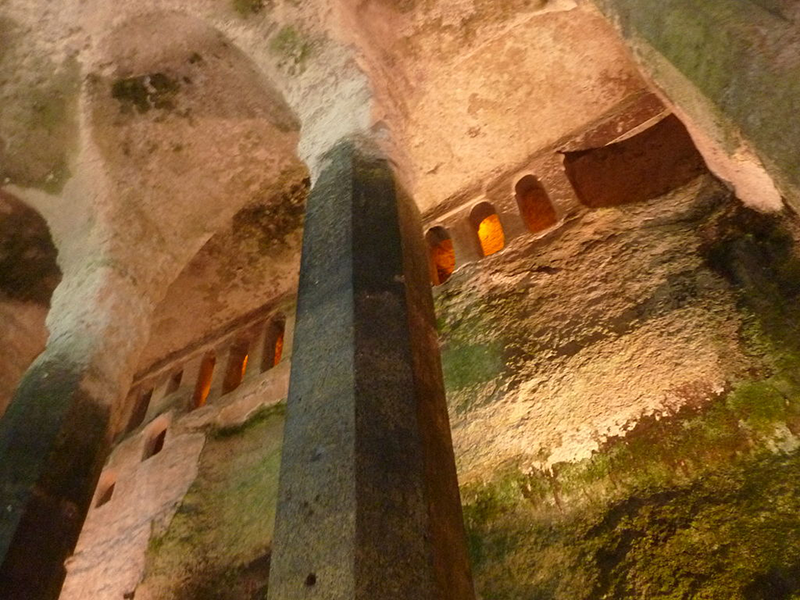
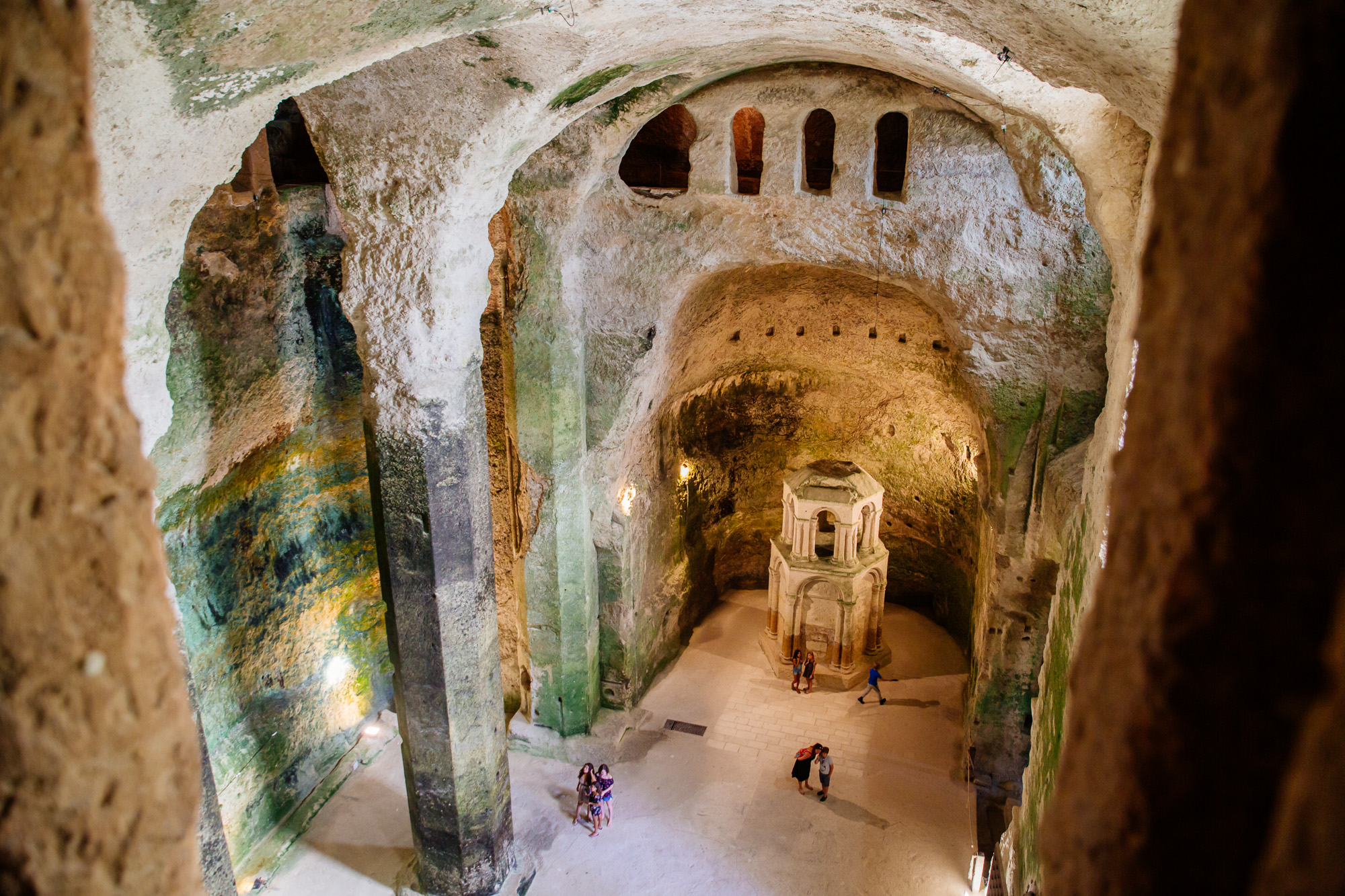
Carved in the 12th century, this church, which bears witness to Christian fervor in the Middle Ages, appears as a place of intense emotion.
Its primary purpose was to house relics preserved in a succession of pits and in a reliquary whose shape is inspired by that of the Holy Sepulchre discovered in Jerusalem during the first crusade. It was created by hollowing out the limestone wall. It can therefore be described as monolithic.
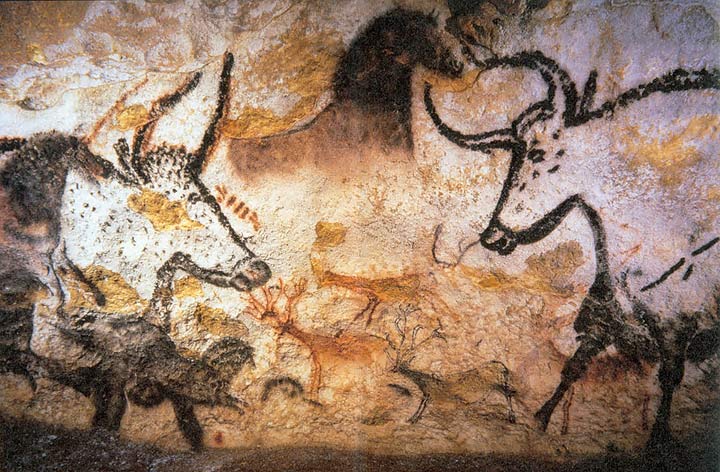
The Lascaux cave, located in the municipality of Montignac-Lascaux in the French department of Dordogne, in the Vézère valley, is one of the most important decorated caves of the Upper Paleolithic due to the number and aesthetic quality of its paintings and engravings, mainly representations of animals. It is sometimes nicknamed "the Sistine Chapel of parietal art", according to a phrase attributed to Henri Breuil, who also calls it "Versailles of Prehistory" or "French Altamira".
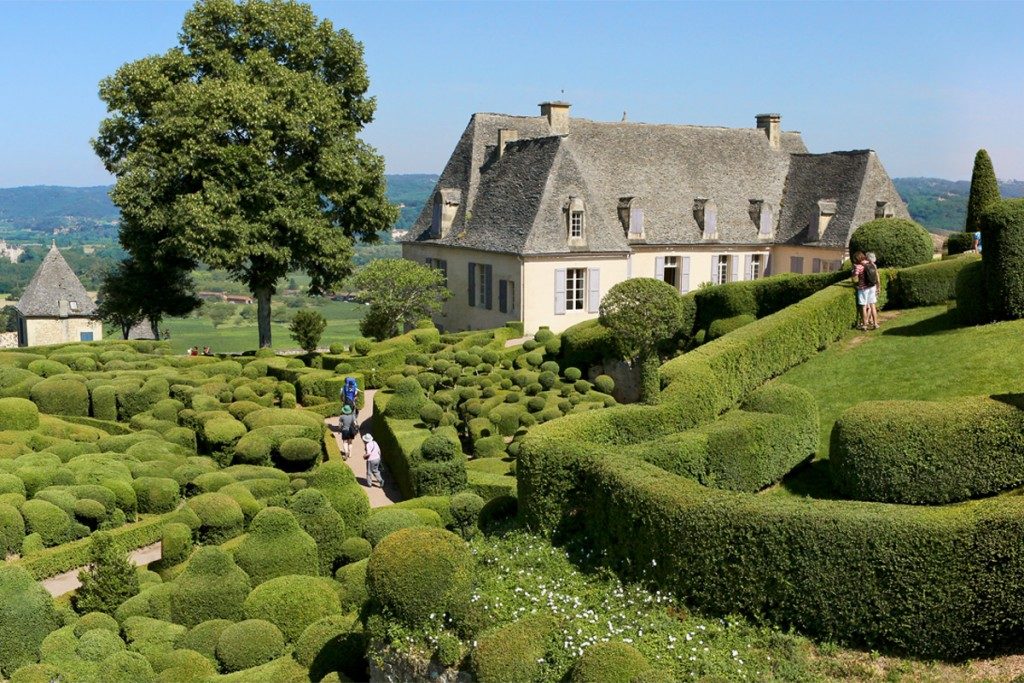
A listed site around a slate-covered castle from the early 19th century, the romantic and picturesque gardens of Marqueyssac offer more than 6 kilometers of walks lined with 150,000 hand-pruned century-old box trees and adorned with belvederes, rockeries, dry stone huts...
Perched on a rocky spur, the Belvedere offers one of the most impressive panoramas of the Périgord over the valley and its castles, it is rated 3 stars in the Michelin Green Guide.